The cladding is the building's ultimate protection against wind and weather. It should not only look good, but also prevent moisture from penetrating the structure. Over time, the cladding is naturally subject to wear and tear, and sooner or later it will be necessary to consider replacement. But how do you really know when the time is right?
Sections:
In this article, we look at why it might be a good idea to replace your cladding, and what signs you should be aware of to avoid major damage and unnecessary costs.
Aesthetic and practical reasons to replace cladding
You might immediately think that rot and damage are the obvious reasons to replace cladding, but the truth is that many people choose to replace cladding for other reasons too - such as aesthetics and practicality. Here are three common reasons why some homeowners change their cladding:
Desire for less maintenance
Modernising the look of your home
Customisation for extensions or renovations
Economic considerations
Replacing cladding is an investment. New cladding, especially in combination with insulation, can increase the value of your home and improve energy efficiency. This results in lower heating costs and a better indoor climate.
Once the cladding is removed, it's a good time to consider retrofitting insulation, windproofing or replacing windows. In this way, you can carry out several measures at the same time, which often results in better overall economy. But the biggest benefit is to replace the cladding before the damage becomes too extensive. This allows you to prevent moisture and rot from spreading to underlying structures. Early action is usually far less expensive than extensive repairs later on.
Typical signs that the cladding should be replaced
There are several signs that your cladding is no longer doing its job. Here are the signs you should take seriously:
Rot
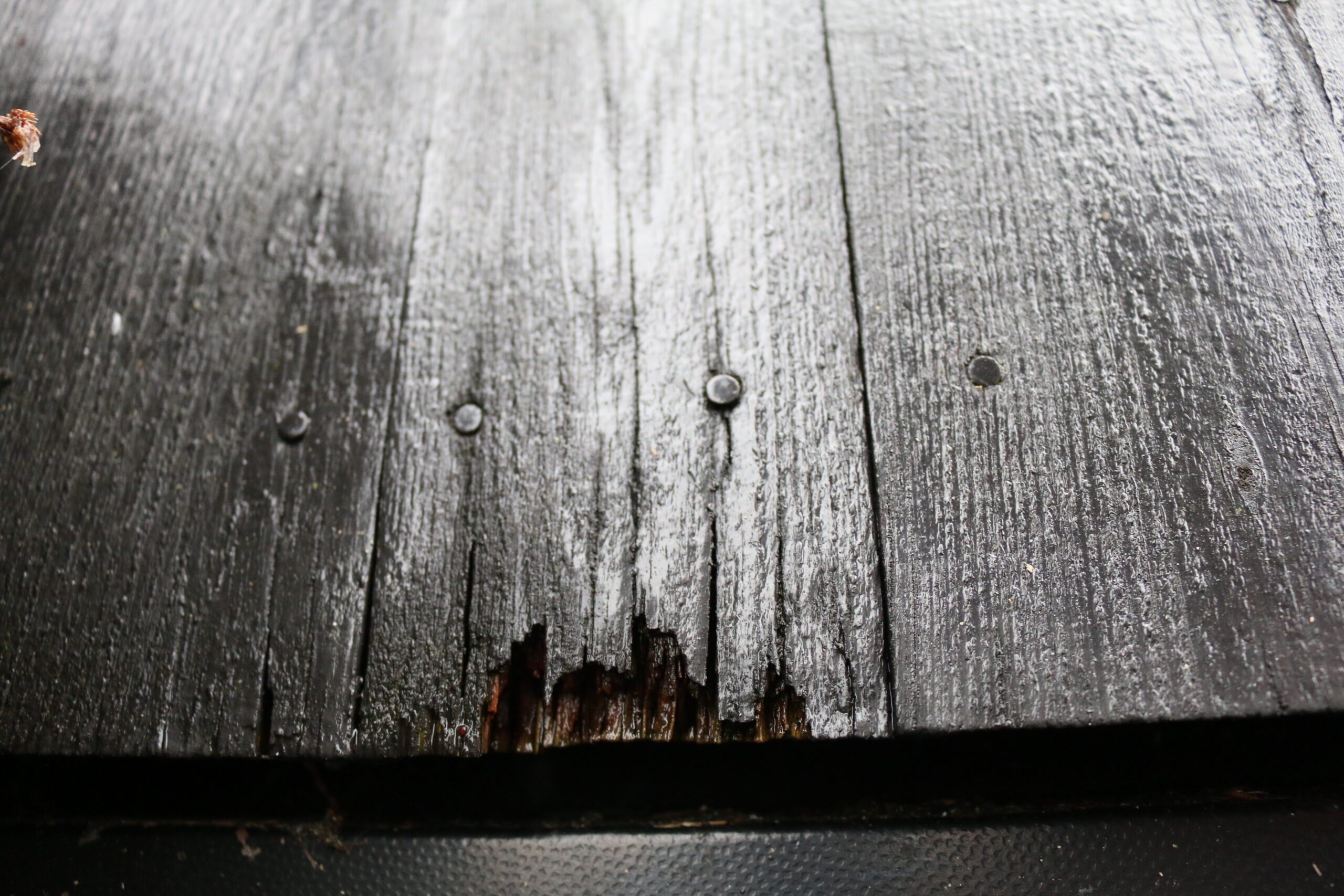
Rot occurs when wood is exposed to moisture over time. Typical signs are soft or spongy wood, dark discolouration, craters, crumbling or surface slippage. If you discover rot, its extent should be assessed quickly.
Cracks or deformations
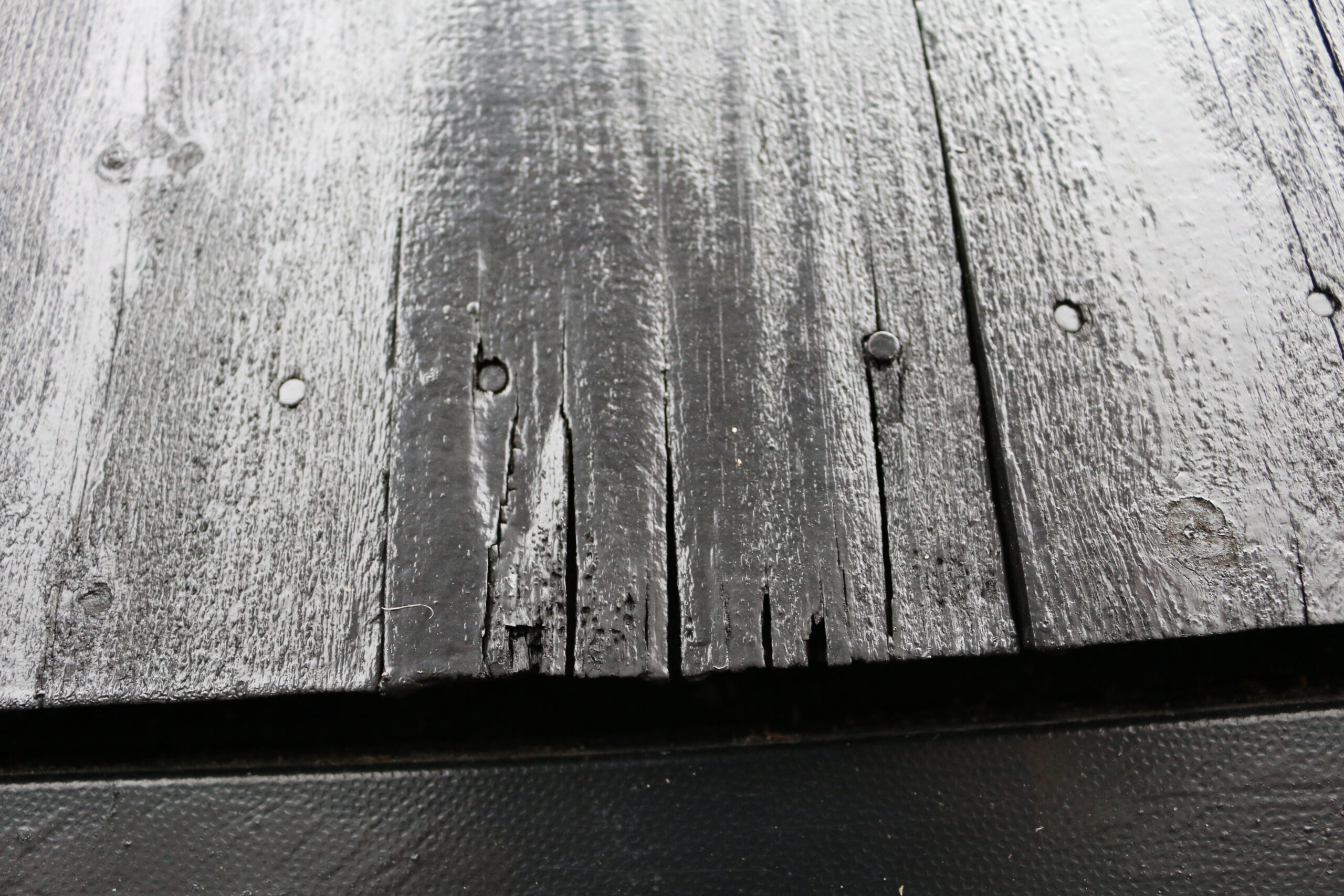
Tables that warp, bend or have open cracks let in moisture more easily. This is often a sign of age, poor ventilation or material wear.
The paint is peeling
Some wear and tear is normal, but if the paint flakes quickly and repeatedly - even after thorough scraping and painting - it may indicate moisture problems in the cladding.
Moisture marks and black mould
Black or dark patches, especially on weather-exposed façades, can be a sign of persistent moisture. Black mould is not always dangerous in itself, but indicates that conditions are ripe for more extensive damage.
Discolouration and greying
Greyed wood often means that the surface lacks sufficient protection, making the cladding more vulnerable to moisture and rot over time.
Holes for insects
Small holes in the cladding can be a sign of pests. This weakens the wood and should be investigated further.
What do I do if I suspect poor cladding?
If you see signs of rot or other damage to your cladding, we recommend that you get a professional assessment. In some cases, there may not be a need to replace everything, but an early assessment will provide you with a better basis for making a decision that could save you unforeseen costs.